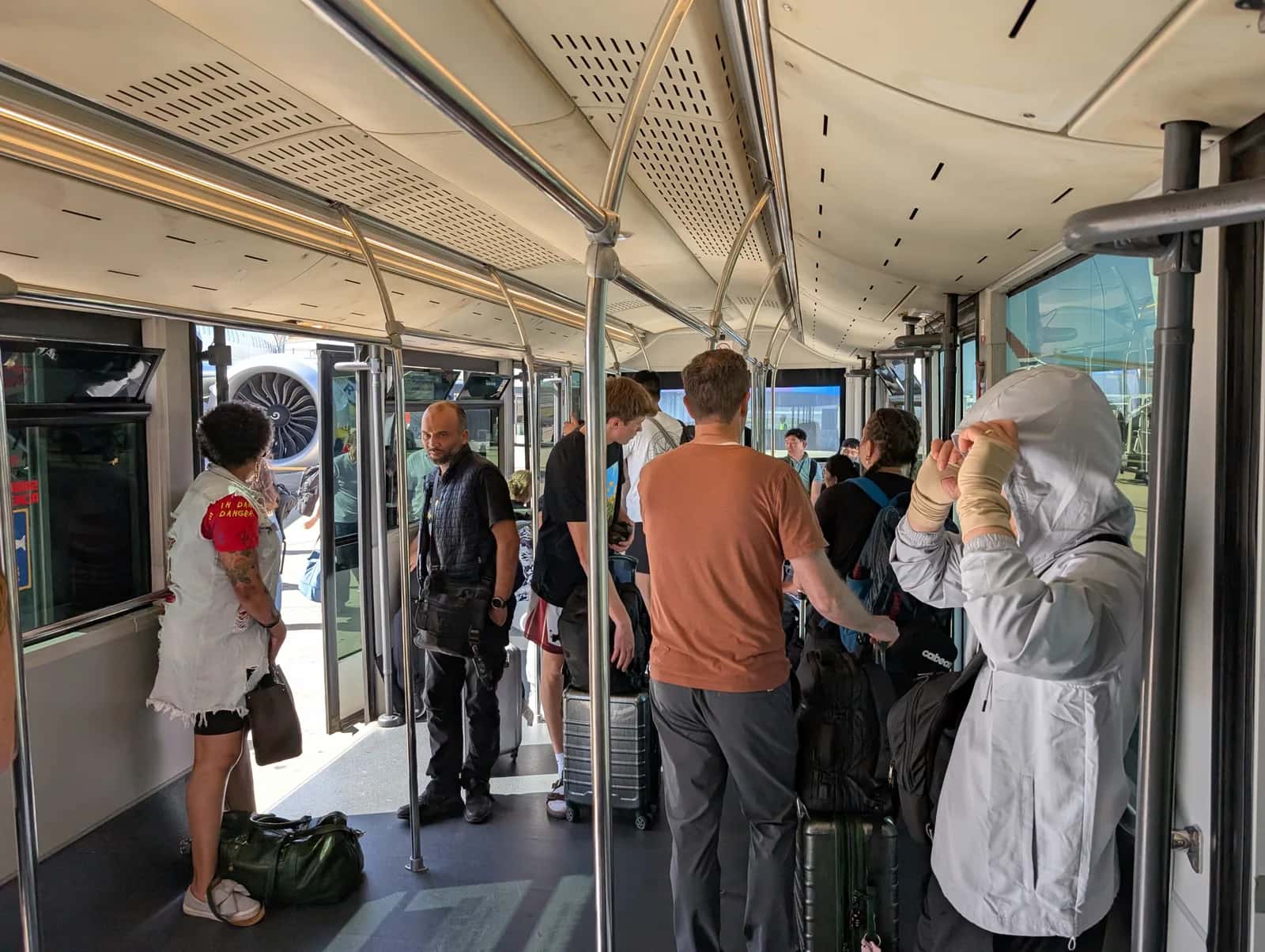
Layover at Lisbon Airport
A layover at Humberto Delgado Airport in Lisbon can be one of the more pleasant transit experiences in Europe — provided you understand how the airport works and plan your time accordingly. Lisbon is compact, the airport sits within a short Metro ride of the city centre, and the food, atmosphere, and weather of Portugal reward even a brief escape from the terminal. With a little preparation, what could be dead time between flights becomes a small chapter of your trip rather than a chore.
This guide walks through everything you need to know about a layover at Lisbon Airport (LIS) — how to use the time depending on how long it is, when leaving the airport makes sense, what to do if you choose to stay airside, where to sleep if you have an overnight wait, and the practical details that make the difference between a smooth transit and a stressful one.
The information here applies whether you are connecting from a long-haul flight to a European destination, transiting between two short-haul flights, or simply have a stretch of time before an outbound flight after dropping luggage early. The strategies are slightly different for each scenario, but the underlying advice is consistent: know your terminal, understand your timing, and use the time deliberately rather than letting it use you.
Layover Length Determines Strategy
The single most important factor shaping a successful layover is duration. The same airport, the same connection, the same passenger — all behave very differently depending on whether the gap is two hours or twelve. Understanding which category your layover falls into is the starting point for everything else.
Layovers at Lisbon Airport's terminals generally fall into four practical bands: short (under three hours), medium (four to eight hours), long (eight to fourteen hours), and overnight (longer than fourteen hours, typically with a hotel stay). Each has its own logic about whether to leave the airport, what to do with the time, and what the realistic constraints are.
The 90-minute boundary deserves special attention. Anything under that window is not really a layover so much as a connection — you should plan to stay airside, focus on getting to your next gate, and eat or rest only as a secondary priority. Above 90 minutes, options open up. Above three hours, leaving the airport becomes worth considering for many travellers.
Short Layovers Under 3 Hours
For layovers shorter than three hours, the standard advice is to remain in the airport. The arithmetic is unforgiving: clearing your arrival gate, walking to security or a connecting bag drop, getting through security on the departure side, walking to your gate, and ideally arriving at the gate fifteen to twenty minutes before boarding closes leaves very little buffer. Trying to leave the terminal during this window creates more risk than the time saved is worth.
Within those three hours, focus on the essentials. Find your departure gate or the area where it will be assigned (often published 30–45 minutes before boarding). Use the bathroom, refill water, eat something light, and find somewhere comfortable to wait. Lisbon's airport is small enough that you do not need to rush, but it is also not so well-equipped that you can afford to dawdle if your schedule is tight.
Travellers connecting between Schengen and non-Schengen flights should be aware of the additional time required for passport control. If you are flying Schengen-arrival and Schengen-departure (for example, Madrid-Lisbon-Paris), there is no border check; you simply walk to your gate. If your inbound was non-Schengen and your outbound is Schengen (or vice-versa), expect to clear immigration, which in busy periods can add 15–30 minutes.
Medium Layovers of 4 to 8 Hours
The four-to-eight-hour band is the genuine layover territory — long enough to do something meaningful, short enough that you have to be deliberate about it. Most travellers in this band benefit from leaving the airport, especially if it is daylight hours and they have already had whatever lounge or rest break they need at the airport.
The key calculation is realistic round-trip time. From Lisbon Airport to central Lisbon by Metro is about 25 minutes (Aeroporto station to Baixa-Chiado). Add 10–15 minutes for buying tickets, walking through the airport, and catching the train. Round trip with margin: 90 minutes minimum. So if your layover is five hours, you have roughly three and a half hours actually in the city — enough for a walk, lunch, and a couple of sights, but not enough for a museum visit you cannot rush.
The 6–8 hour layover is the sweet spot. You have time for a proper meal, a walking circuit through Baixa or Alfama, a stop at a miradouro for the views, perhaps a quick visit to one of the smaller museums, and still get back to the airport with a comfortable two-hour buffer for security and passport control. This is the layover length where Lisbon is most rewarding to step out of the terminal for.
Long Layovers and Overnight
Layovers of 8–14 hours give you genuine flexibility. You can do a half-day of Lisbon — perhaps tram 28 from end to end, lunch in Alfama, a tour of the Castelo de São Jorge, and an early dinner before returning. Or you can take the train to Cascais for a beach afternoon, returning in time for evening departure. With this much time, the airport becomes the constraint rather than your transport between sites.
Overnight layovers (14+ hours, typically arriving in the evening with morning departure) shift the calculation entirely. Now sleep is the priority, and the question becomes where to sleep. The airport has limited but workable options for travellers who want to stay close, and central Lisbon offers a wide range if you have the time and energy for the commute.
For overnight layovers, having checked baggage matters. If your bags are checked through to your final destination, you do not have them with you, which makes hotel options near the airport simpler. If you must carry your bags, factor in the awkwardness of moving through Lisbon with luggage, and consider whether the cost of luggage storage in town is worth the freedom it buys.
Staying Airside vs Leaving the Airport
The decision of whether to leave is partly about time and partly about what you want from the layover. Some travellers value rest and quiet; others value novelty and movement. Both are reasonable, and Lisbon Airport accommodates both choices reasonably well — though it is more set up for travellers who leave than for those who stay.
Reasons to stay airside: you are tired and just want to rest; your layover is genuinely too short to leave with a margin; you have lounge access; you have specific work to do that requires a quiet desk; you find airports more soothing than cities; you arrived overnight and the city is closed. Lisbon Airport's airside areas are pleasant enough but not extraordinary — there are restaurants, shops, and lounges, but no green spaces, no hotel within the security zone, and limited spaces specifically designed for rest.
Reasons to leave: your layover gives you 90 minutes of margin after round-trip transit; the weather is good; you have the appetite for sights, food, or coffee; you have not visited Lisbon before; you want to walk after a flight. Lisbon's compact layout, mild climate (most of the year), and proximity to the airport make it one of the more layover-friendly cities in Europe. For many travellers, even a brief visit produces better memories than a few hours in any airport, however good.
Visa Requirements for Leaving the Schengen Area
If you are travelling between Schengen-area destinations, leaving Lisbon Airport during a layover is straightforward — Portugal is in the Schengen Area, you have already cleared the relevant border, and stepping out of the terminal is treated like any other day in Lisbon. Most European, North American, Australian, and many Asian and Latin American passports allow Schengen entry without a visa for short stays.
For travellers transiting between two non-Schengen flights, the situation is different. Connecting from a non-Schengen origin to a non-Schengen onward destination, without entering the Schengen area, means you stay in the international transit zone — and leaving the airport requires that you actually enter Schengen, which requires meeting the entry conditions (visa or visa-free status, valid passport, proof of onward travel, sufficient funds in some cases).
If you require a Schengen visa for entry and only hold a single-entry visa already used, leaving the airport may not be possible during your layover. Check your visa status and the rules for your nationality before assuming you can step out. Most non-Schengen passport holders who do not require visas (US, UK, Canadian, Australian, Japanese, Korean, and many others) can simply walk out and walk back in.
What to See in Lisbon in 4 to 6 Hours?
If you are leaving the airport, Lisbon rewards even a short visit. The most efficient approach is to take the Metro to Baixa-Chiado (about 25 minutes from the airport), and use that as a base for a walking circuit through the central neighbourhoods. With four to six hours in the city, here is a workable plan that hits the highlights without exhausting you.
Start at Praça do Comércio, the grand riverside square. From there, walk up through Baixa, the elegant Pombaline grid of streets rebuilt after the 1755 earthquake. Cross into Chiado for coffee — A Brasileira is the famous historic café — and continue uphill or take the Elevador da Bica funicular toward Bairro Alto for views. Alfama, on the other side of Baixa, is the old Moorish quarter with narrow lanes, fado bars, and the Castelo de São Jorge above. A loop through Baixa, Chiado, and Alfama with stops takes about three to four hours at a relaxed pace.
If you have closer to six hours and want a famous experience, take the train or Metro to Belém — the riverside district with the Jerónimos Monastery, the Tower of Belém, and the original Pastéis de Belém shop where the famous custard tarts originated. Belém is about 30 minutes from central Lisbon by tram or train, and you would spend perhaps two hours there. Account for the round-trip: it works for layovers of seven hours plus.
Eating During a Layover — Airport vs City
Lisbon Airport has a respectable food scene by airport standards — a mix of Portuguese chains, international fast food, and a few local options that serve genuinely good food. The standouts include a couple of pastel de nata stands (the warm, fresh ones are vastly better than the cold ones in shops), some bifana sandwich shops, and a couple of more substantial sit-down options in the airside areas of Terminal 1.
If you stay airside, prioritise the Portuguese-style options over international chains. A bifana, a pastel de nata, and an espresso at the airport will give you a more authentic taste of the country than another generic burger or pizza. For a fuller meal, the seafood and meat options at the larger sit-down restaurants in T1 are reasonable.
Leaving the airport for food, however, is a significant upgrade. Even in central Lisbon's most touristy areas, you will find restaurants serving fresh fish, grilled sardines (in season), excellent bread, and genuinely cheap wine. A typical sit-down lunch with a glass of vinho verde costs €15–25 in a normal restaurant, considerably cheaper than airport prices and much better food. For a layover that allows it, eating in town is probably the single best argument for leaving the airport.
The original Pastéis de Belém shop, if you can get to Belém during your layover, makes the famous custard tart according to a closely-guarded recipe — the warm versions, dusted with cinnamon and powdered sugar, are noticeably better than the supermarket ones you have likely tried. The lines can be long, but the takeaway counter usually moves faster than the seated areas.
Shopping During Your Layover
Airport shopping at Lisbon includes the standard duty-free zone (perfumes, alcohol, tobacco, cosmetics) plus a number of Portuguese specialty shops. Useful purchases include canned sardines (Conserveira de Lisboa-style, in beautifully designed tins), bottles of port wine, ginja (the cherry liqueur), olive oil, and various traditional foods. Prices on these are reasonable, sometimes better than central tourist shops, and the airport convenience is appealing.
For more interesting shopping, leaving for the city is better. Chiado has been Lisbon's smart shopping district for centuries, with everything from old-fashioned glove makers and bookshops to international brands. Príncipe Real, a slightly off-centre neighbourhood, has concept stores, design shops, and small fashion boutiques. The LX Factory in Alcântara has vintage and design shops in a converted industrial complex.
For souvenirs and gifts, central tourist areas have Portugal-specific items at varying levels of authenticity — from genuine cork goods (a Portuguese specialty) and azulejo tiles to mass-produced knickknacks. The shops away from the main tourist drag in areas like Mouraria or Graça tend to have more genuine selections. Do not assume everything sold as Portuguese is actually made in Portugal — read labels.
Lounges and Rest Areas at LIS
Lisbon Airport has several lounges, accessible to premium passengers, status flyers, and pay-per-use travellers. The TAP Premium Lounge in Terminal 1 is the largest and most extensive, accessible to TAP business class passengers, Star Alliance Gold members, and paid entrants. It offers Portuguese food and wine, comfortable seating, work areas, showers, and views of the apron. For TAP-affiliated travellers, it is one of the more pleasant European mid-sized lounges.
The Blue Lounge (also Terminal 1) caters to other Star Alliance and partner airlines, and offers Priority Pass access. It is smaller and less elaborate than the TAP Premium Lounge but covers the basics — food, drinks, WiFi, charging, seating. For Priority Pass holders, it is a reasonable place to spend a couple of hours during a layover.
The ANA Lounge, also in T1, is a pay-per-use facility (ANA is the airport operator) accepting walk-ins, Priority Pass, and various corporate programs. Smaller still, but comfortable and quieter than the public terminal areas. There is no equivalent lounge in Terminal 2, which is mostly oriented toward low-cost short-haul travellers.
Outside the lounges, the public terminal areas have plenty of seating, but few rest-specific zones. Some banks of seats with armrests prevent comfortable lying down — typical airport design. Quieter corners exist in less-trafficked sections of Terminal 1, but for genuine rest, lounges or hotels are far better.
Sleeping at LIS Overnight
Sleeping in the terminal at Lisbon Airport is possible but not particularly comfortable. The airport does not actively discourage overnight stays, and security presence keeps things safe, but the seating is largely armrest-divided, the temperature is air-conditioned (cold for sleep), and there is consistent ambient noise from announcements and cleaning crews.
If you must sleep in the terminal, find a quieter section away from the main passenger flow. The areas near less-active gates in Terminal 1, particularly during late-night hours, are the most workable. Bring a sleep mask, earplugs, and a light layer for warmth. A neck pillow or rolled-up jacket helps. Set multiple alarms — the rhythmic announcements can lull you into sleeping past your boarding time.
Better alternatives exist. The Air Rooms hotel inside the terminal (more on that below) provides actual beds. Hotels near the airport offer real rest with shuttle service. Even if your layover is only six or seven hours, the cost of a budget airport hotel often pays off in actual rest.
Hotel Options for Longer Layovers
Lisbon Airport has one significant advantage for overnight layover travellers: an actual hotel inside the terminal. Air Rooms Lisbon Airport, located in Terminal 1, offers compact rooms in the airside area accessible to passengers in transit. The rooms are small and basic but include real beds, en-suite bathrooms, WiFi, and 24-hour access. They are charged by the hour or by the night, making them ideal for layovers that fall awkwardly between airport rest and a full city hotel.
For travellers with longer waits or who prefer more spacious accommodation, several hotels operate within walking distance or a short shuttle ride from the airport. The TRYP Lisboa Aeroporto, Holiday Inn Express Lisbon Airport, and VIP Executive Aeroporto are among the standard options, all reasonably priced and shuttle-equipped. The hotels near Lisbon International Airport guide goes into more detail on each.
Booking a hotel for an overnight layover is almost always the right move if your layover exceeds 8–10 hours and you want to actually rest. The cost of a budget hotel — typically €60–100 per night near the airport — is well worth the difference between four hours of broken terminal sleep and eight hours of real bed rest. For travellers continuing on long-haul flights the next day, the rest matters significantly for the journey ahead.
If you choose to stay in central Lisbon for an overnight layover, the round-trip via Metro is fast (about 25 minutes each way), and central hotels offer experiences the airport area cannot match. Just calculate the morning return carefully — Metro starts at 06:30 on weekdays and a bit later on weekends. For very early flights, taxi or pre-booked transfer is essential.
Luggage Storage at the Airport
If your bags have been checked through to your final destination, luggage storage is not an issue — your bags are with the airline. If you are carrying hand luggage only, you can take it with you into the city, though it is awkward for sightseeing.
For travellers who need to leave bags somewhere, Lisbon Airport has a luggage storage facility located in the arrivals area of Terminal 1. It accepts bags by the hour or by the day, with prices depending on bag size. Hours are generally aligned with airport operations, but check current schedules — facilities can have shorter hours overnight.
Alternatives in central Lisbon include luggage storage services at major train stations (Santa Apolónia, Oriente, Cais do Sodré) and a number of independent storage networks (Bounce, Stasher, Radical Storage) that operate through partnerships with shops, hotels, and cafés. These are typically cheaper than airport storage and located in convenient central locations. For a layover where you plan to spend most of your time in the city centre, dropping bags at a central storage point may make more sense than the airport facility.
Returning to the Airport in Time
The single most common layover mistake is misjudging return time. The trip from Baixa-Chiado to Lisbon Airport by Metro takes 25–30 minutes, but with security, walking through the terminal, and the time before boarding closes, the door-to-gate time is more like 90 minutes minimum, and 2 hours for international or non-Schengen connections.
Build in a buffer. If your boarding closes at 14:30, leave central Lisbon by 12:30 — this gives you 30 minutes for transit, 30 minutes for security and immigration if applicable, and 30 minutes for the gate walk and any last-minute issues. Tighter timing is possible but creates real stress and risks if anything goes wrong.
Account for the day of the week and time of day. Friday evening Metro can be crowded. Sunday evenings see returning weekend traffic. Holiday weeks see general congestion. The Aeroporto Metro station is small and at peak times trains can fill up with passengers and luggage; you may need to wait for the next one. Build extra buffer for these conditions.
For non-Schengen connections, immigration queues at LIS departure can add unpredictable time, especially mid-morning and early evening. The standard advice is to arrive at the gate 30 minutes before boarding closes (so 60 minutes before scheduled departure for most flights), but during peak periods this should be expanded.
Common Layover Mistakes
The mistakes that ruin layovers tend to be the same across travellers and airports. The first is poor time arithmetic: leaving the airport without realistic round-trip calculations, then panicking on the return when transit takes longer than expected. Always work backwards from your boarding closure time.
The second is treating airport food and shopping as equivalent to the city. With genuinely good food and shops 25 minutes away by Metro, choosing to spend a six-hour layover entirely airside is often a wasted opportunity — though for tired travellers, this is sometimes the right choice.
The third is overlooking visa and entry requirements. Travellers who assume they can leave the airport because they could last time, without checking whether their current visa, passport validity, or onward ticket meets entry requirements, occasionally find themselves unable to walk out — better to know this in advance than discover it at immigration.
The fourth is overpacking the time. A layover with nine activities planned is more stressful than a layover with two. Pick a single goal — a meal, a specific sight, a coffee at a famous café — and let everything else be optional. The goal of a layover, after all, is not to optimise but to make a long journey more pleasant.
The fifth is forgetting to refuel. A long layover, particularly during overnight stretches, is a chance to eat a real meal, hydrate, and stretch — three things that long-haul travel undermines. Even if you are tired, prioritising a proper meal and water makes the rest of the journey better. For travellers connecting between long-haul segments, this matters more than the temptation of an extra hour of fitful airport sleep.
Tips for a Stress-Free Lisbon Layover
The best layovers are the ones you have planned for in advance. Before your trip, look up your specific layover timing, decide whether to leave the airport, and have a backup plan if your inbound is delayed. Knowing what you would do with three hours, five hours, or eight hours saves you the cognitive load of figuring it out on the day.
Pack a small layover kit. A change of clothes (especially socks and underwear, which transform a long-haul trip), a phone charger, headphones, snacks, a refillable water bottle, and any medication you might need during the gap. Even if your checked bag is going through, this kit makes the layover much easier.
Use the AENA-equivalent for Lisbon — actually ANA Aeroportos, which operates Lisbon Airport — for real-time information about gates, lounges, and facilities. The free WiFi at the airport is good for streaming, calls, and getting work done if needed.
If you are leaving the airport, take an offline map of central Lisbon (Google Maps lets you download city sections). Cellular data is generally available with EU roaming, but offline maps avoid the dependency. Carry a small amount of euros for transit tickets and small purchases; cards work most places but not always for Metro tickets at every station.
And finally, treat the layover as part of the journey rather than an interruption. Some of the better travel memories come from these unscheduled hours in unfamiliar places — a meal somewhere unexpected, a quick walk through a neighbourhood you would not otherwise see, a moment of pause in a long itinerary. Lisbon, for all its small size relative to Europe's other capitals, offers more in these brief encounters than most cities do.
Have a layover question? Reach out
You May Also Like
- Lisbon Airport Terminals
- Lisbon Airport Guide
- Hotels Near Lisbon International Airport
- How to Get from Lisbon Airport to City Center